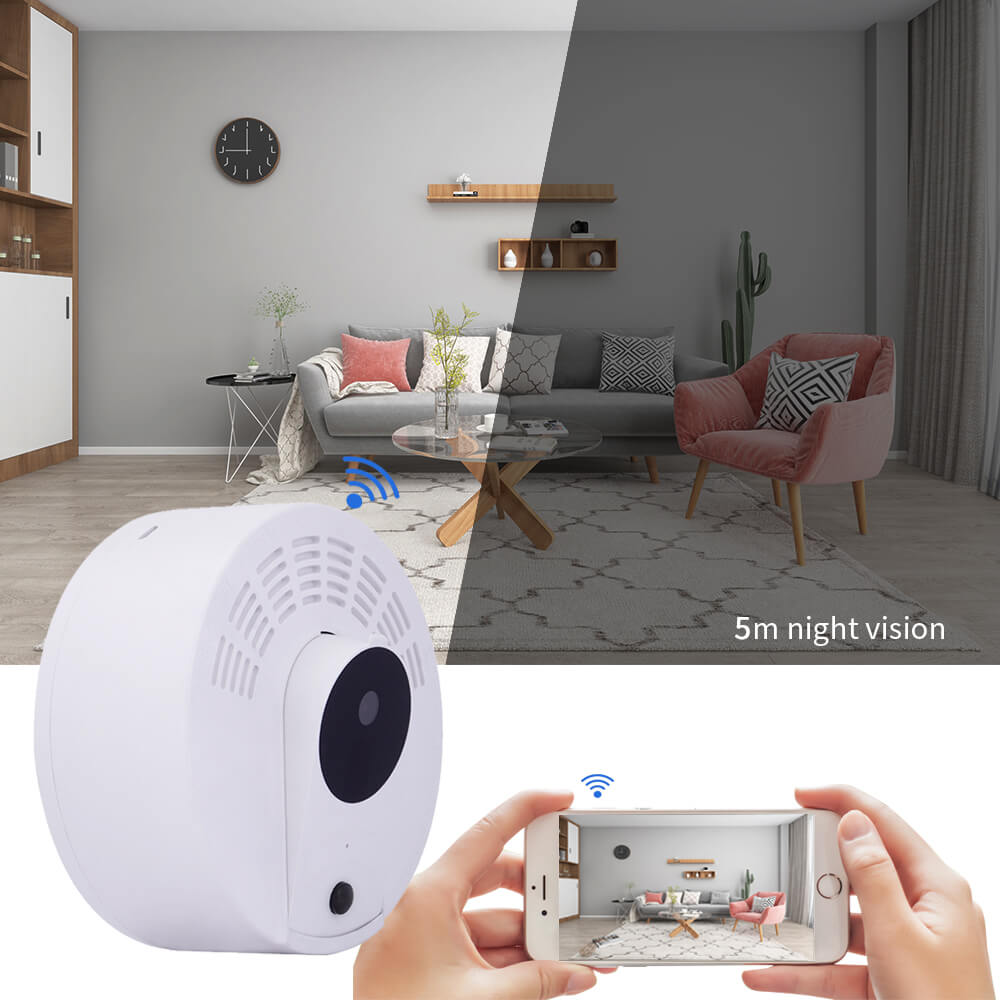
Remote Monitoring Systems: WiFi P2P & Cloud IoT Solutions
Quick Summary: The transition from local DVRs to Cloud-Native Remote Monitoring has redefined the benchmarks for global security. By utilizing WiFi P2P (Peer-to-Peer) protocols and IoT signaling, modern remote monitoring systems deliver sub-200ms latency and encrypted data access across international networks. This guide explores the engineering logic and B2B ROI behind high-performance remote surveillance.
For B2B distributors and security integrators, a remote monitoring solution is evaluated by its NAT traversal efficiency and data sovereignty. Aishine-tech provides the hardware and SDK framework required to deploy scalable monitoring nodes in residential, commercial, and industrial environments.
1. Technical Framework: P2P vs. Cloud Relay Logic
Understanding the transport layer is critical for ensuring low-latency remote access.
-
P2P (Peer-to-Peer) Streaming: Utilizes the ICE (Interactive Connectivity Establishment) framework to establish a direct connection between the monitoring node and the mobile terminal. This bypasses cloud servers for media transport, significantly reducing bandwidth costs and enhancing privacy.
-
Cloud Relay (TURN/STUN): Acting as a failover for restrictive firewalls, cloud relay ensures 100% connectivity by tunneling encrypted packets through a central media server when direct P2P is blocked by corporate NATs.
2. The Role of IoT and Edge Computing in Monitoring
Modern remote monitoring is no longer a passive video feed; it is an intelligent data ecosystem.
-
Edge Detection: Integrated PIR and CMOS motion algorithms process data at the device level, sending only relevant "Event Metadata" to the cloud to reduce network congestion.
-
Bi-Directional Communication: Utilizing the WebRTC DataChannel, operators can engage in full-duplex audio and trigger remote hardware actions (sirens, locks) with millisecond precision.
-
Seamless App Integration: Optimized for iOS and Android, Aishine-tech solutions leverage unified SDKs to provide a cohesive user experience from any global access point.
3. Economic ROI: Scalability and Total Cost of Ownership (TCO)
For institutional procurement, the "Information Gain" of remote monitoring lies in the reduction of on-site labor and infrastructure maintenance.
-
Reduced Site Visits: Real-time health monitoring of hardware status allows for remote diagnostics, cutting operational maintenance costs by up to 40%.
-
Scalable Infrastructure: Cloud-based monitoring allows for the addition of N+1 nodes without requiring local server upgrades or complex port-forwarding configurations.
System Latency Formula: Total Delay = Network Jitter + Packet Serialization + Buffer Jitter + Hardware Decoding
4. Manufacturing Standards and Global Data Compliance
As a premier manufacturer, Aishine-tech ensures that every remote monitoring node meets the highest standards of international hardware and software security.
-
End-to-End Encryption: All remote streams are secured via DTLS/SRTP, ensuring that data remains unreadable to unauthorized intermediaries.
-
Global Compliance: Our hardware is engineered to meet CE, RoHS, and FCC standards, facilitating frictionless entry into North American and European markets.
-
OEM/ODM Versatility: We provide modular hardware and API/SDK support for distributors looking to integrate our monitoring nodes into private cloud platforms.
5. Strategic B2B Application Scenarios
-
Executive Protection: Real-time oversight of boardrooms and private residences for high-profile personnel.
-
Industrial Asset Monitoring: Tracking machinery status and environmental conditions in remote manufacturing facilities.
-
Retail Network Oversight: Centralized monitoring of geographically dispersed retail locations from a single command center.
Security Camera and Motion Detection
Battery-Powered vs. AC-Powered Security Hidden Cameras: A Comprehensive Guide