Mini Spy Cameras: B2B Procurement & Technical Guide | Aishine
Professional Mini Spy Cameras: A Technical Guide for B2B Procurement
The evolution of micro-electronics has transformed the surveillance landscape, making mini spy cameras essential tools for discreet monitoring in complex environments. For B2B purchasing managers and security integrators, selecting a mini camera involves more than just size—it requires evaluating optical performance, power management, and data transmission stability.
Engineering the Miniaturized Form Factor
A professional-grade mini spy camera is defined by its ability to maintain high-performance imaging within a hyper-compact footprint. These devices are typically engineered using advanced CMOS sensors that deliver 1080P or 2K HD resolution, ensuring that critical evidence is captured with sufficient detail for legal and forensic review.
Key technical benchmarks for B2B sourcing include:
-
Lens Diameter: Ultra-fine pinhole lenses (often < 2mm) designed for covert integration.
-
Compression Standards: Utilizing H.264 or H.265 protocols to optimize SD card storage without sacrificing clarity.
-
Heat Dissipation: Industrial designs that prevent sensor noise and overheating during continuous operation.
Strategic B2B Deployment Scenarios
Mini spy cameras serve specialized roles across various professional sectors, focusing on risk mitigation and operational transparency:
-
Corporate Asset Protection: Deploying DIY camera modules inside office equipment to detect internal shrinkage or unauthorized access to sensitive documents.
-
Supply Chain Monitoring: Tracking high-value inventory movement within warehouses where traditional CCTV may have blind spots.
-
Investigative Journalism & Legal Defense: Providing portable, reliable first-person documentation that meets the standards of professional evidence collection.
Critical Selection Criteria for Bulk Procurement
When evaluating mini spy cameras for large-scale projects or retail distribution, technical consistency is paramount. B2B buyers should prioritize the following:
1. Battery Density and Power Cycles
Standard mini cameras are limited by battery size. Aishine's professional line integrates high-density lithium polymers or supports external power inputs, allowing for extended standby times—essential for long-term field deployment.
2. Connectivity and P2P Stability
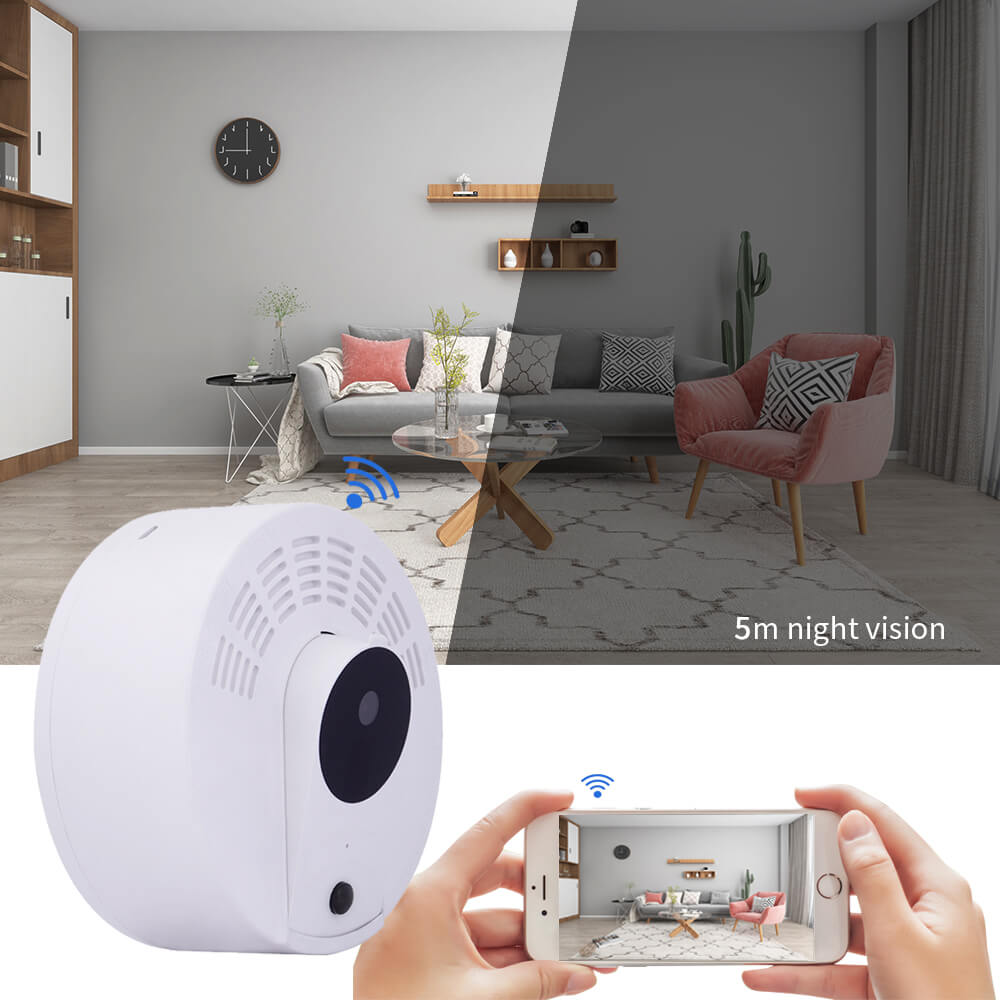
For WiFi-enabled mini cameras, the stability of the P2P (Peer-to-Peer) connection determines the device's utility. Professional modules must provide low-latency remote viewing via secure, encrypted applications to prevent unauthorized data interception.
3. Firmware and Compliance
Manufacturing Partnership and OEM Services
As a dedicated manufacturer, Aishine provides more than just hardware. We support our global partners with comprehensive OEM/ODM services, including customized lens lengths, bespoke battery configurations, and branded software interfaces. Our factory-direct pricing and stringent quality control protocols ensure that your surveillance portfolio remains competitive and dependable.
Is Your House Bugged? A Comprehensive Guide on How to Detect Hidden Surveillance Devices
Powering Your Security: A Comprehensive Guide to Battery-Powered Hidden Cameras