Hotel Bug Detector: B2B Hospitality Privacy Security Guide
Hotel Bug Detector: Industrial TSCM Solutions for Hospitality Security
Quick Summary: In the modern hospitality landscape, hotel bug detectors are essential for maintaining guest confidentiality and brand reputation. Professional security requires a multi-layered approach using RF signal scanners and infrared lens finders to identify wireless bugs and hidden optics. This guide outlines the technical implementation of TSCM hardware in high-occupancy environments.
For the B2B hospitality sector, guest privacy is not just a service—it is a legal and reputational mandate. High-profile business travelers and political figures often require guaranteed secure environments. Implementing a professional hotel bug detector program ensures that your establishment remains a trusted haven for sensitive corporate discussions and personal safety.
1. Identifying Technical Threats in Hospitality Environments
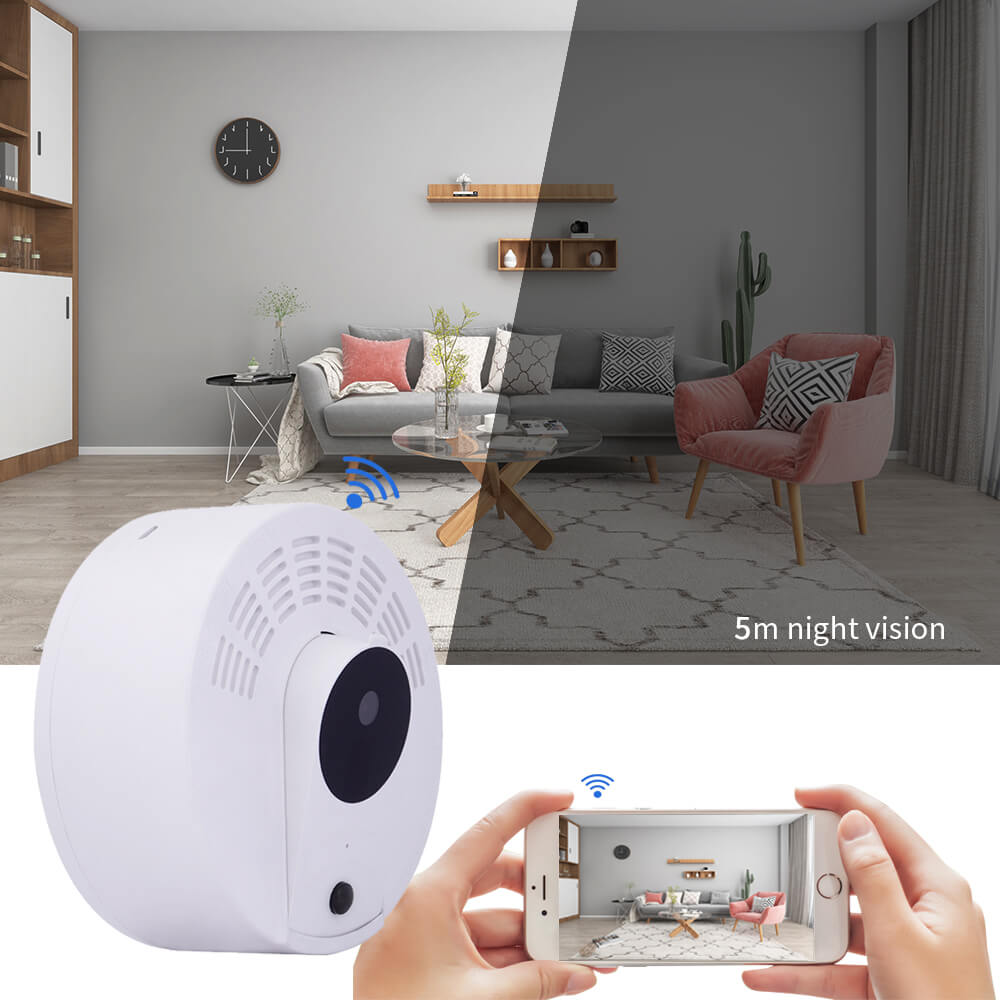
Modern surveillance devices are increasingly compact and discreet. Hotels are primary targets for two types of clandestine hardware:
-
Active RF Transmitters: These include WiFi-based pinhole cameras and GSM audio bugs that transmit data in real-time.
-
Passive or Dormant Devices: Recorders that store data locally or use "burst" transmissions, making them harder to detect with standard low-cost scanners.
Aishine's industrial detectors are engineered to sweep frequencies from 1MHz to 6.5GHz, ensuring coverage across all common surveillance bands used in clandestine electronics.
2. Critical Hardware: RF Scanners vs. Optical Lens Finders
A comprehensive hotel sweep requires a combination of two distinct technologies to ensure 100% detection rates.
-
RF Spectrum Analysis: Professional RF detectors identify the invisible radio frequencies emitted by active bugs. They are essential for locating live WiFi cameras hidden in smoke detectors or power adapters.
-
Infrared Lens Mapping: Since some cameras do not transmit signals (wired or SD card storage), an infrared lens finder is required. By emitting specific light pulses, it forces a reflection from the camera's optical coating, revealing the exact location of the lens.
3. Implementing Standard Operating Procedures (SOPs)
For hotel management, owning the hardware is only the first step. To achieve a "Security-First" culture, hotels must implement rigorous TSCM SOPs:
-
Pre-Arrival Sweeps: Conducting a specialized sweep of executive suites and conference rooms before high-profile guests check in.
-
Staff Training Protocols: Equipping housekeeping and security teams with portable, user-friendly detectors to perform routine visual and electronic checks during room turnovers.
-
Incident Response: Establishing a clear protocol on how to handle the discovery of unauthorized hardware without alerting the perpetrators or compromising guest safety.
4. Strategic ROI: Brand Loyalty and Data Sovereignty
Investing in professional-grade bug detectors for hotels provides a significant Return on Investment (ROI) by mitigating legal risks and enhancing brand equity.
-
Guest Trust: Promoting a certified "Privacy Audited" room status can attract premium corporate clients and VIPs.
-
Corporate Compliance: Aligning with international corporate security standards makes your hotel the preferred choice for sensitive business events and board meetings.
5. Manufacturing Excellence and B2B Support
Aishine ensures that every intelligent detector meets the rigorous standards required for international B2B trade. Our hardware is compliant with CE, RoHS, and FCC regulations, ensuring a smooth path through global customs and retail compliance checks. We offer comprehensive OEM/ODM services, enabling our partners to customize firmware, branding, and technical specifications to align with regional market requirements.
How to Find Spy Cameras around You
Benefits of Using Hidden Security Cameras