Hidden Cameras to Stop Workplace Sexual Harassment: A Detailed Guide to a Sensitive Topic
Hidden Cameras to Stop Workplace Sexual Harassment:
A Detailed Guide to a Sensitive Topic
In the modern era, the conversation surrounding workplace sexual harassment has intensified, prompting organizations to take stronger preventative measures. One such measure that is increasingly being considered is the use of hidden cameras in the workplace. While this method has its merits, it is also fraught with complexities, both legal and ethical. In this article, we’ll discuss the application of hidden cameras to combat workplace sexual harassment, exploring the benefits, challenges, and key considerations surrounding this sensitive issue.
The Critical Issue of Workplace Sexual Harassment
Understanding the Scope of the Problem
Sexual harassment in the workplace is a widespread issue affecting individuals across various industries and roles. It can take multiple forms, from overt acts to subtler instances that create a hostile work environment. The consequences are often severe, affecting both the victim's well-being and the organization's reputation.
Limitations of Traditional Methods
Companies have historically relied on sexual harassment training, anonymous tip lines, and complaint processes to tackle the problem. However, these measures often fall short of delivering complete solutions. Many victims remain silent due to fear of retaliation or lack of faith in the system.
Hidden Cameras as a Potential Solution
Functionality of Hidden Cameras
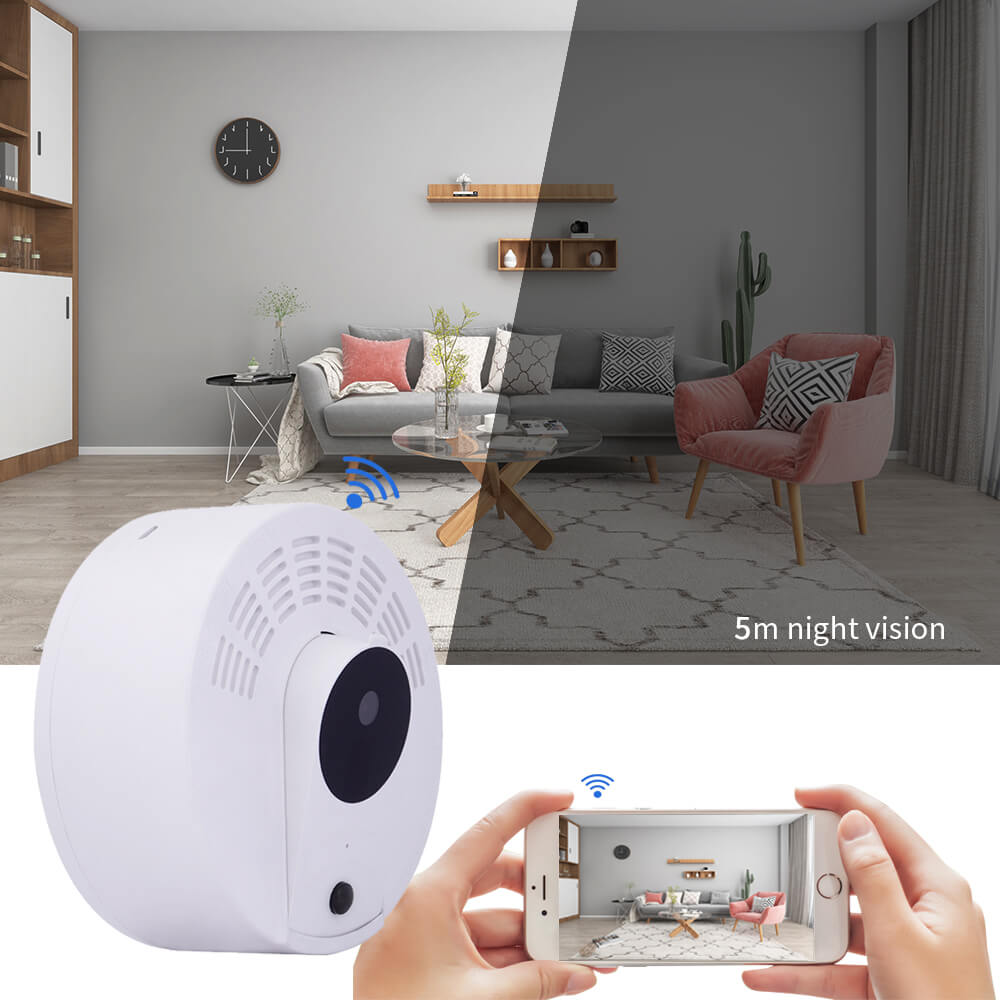
Hidden cameras are discreet surveillance devices capable of capturing video and sometimes audio without drawing attention. Modern versions are increasingly sophisticated, featuring high-resolution capture, motion detection, and even remote streaming.
Possible Benefits
Deterrence
The mere possibility of surveillance can act as a strong deterrent against sexual harassment.
Evidence Gathering
Recorded footage can serve as irrefutable evidence, which can be crucial in investigations and legal proceedings.
Legal Implications
Consent Laws
The use of hidden cameras for recording interactions in the workplace can be legally complex. Most jurisdictions require some form of consent to record individuals, which is usually categorized into:
One-Party Consent: Only one person involved in the interaction needs to consent to recording.
Two-Party Consent: All parties involved must be aware of and consent to the recording.
Employee Privacy Concerns
Legislation like GDPR in Europe and various state laws in the U.S. impose stringent rules on employee surveillance. Employers must be careful to balance surveillance with the right to privacy.
Ethical Considerations
Privacy vs. Safety
While the primary motive is to ensure a safe workplace, using hidden cameras raises significant ethical questions about employee privacy.
Informed Consent and Transparency
Transparency is vital when using surveillance methods. Employees should be aware that surveillance measures are in place, even if they don’t know the specifics, to ensure an ethical approach to deterrence.
Implementation Strategy
Strategic Camera Placement
Placement is key to capturing relevant incidents while respecting privacy norms. Cameras should not be placed in areas like restrooms or other personal spaces.
Data Storage and Security
Recorded footage must be stored securely to prevent unauthorized access. Companies should have clear policies on who can access this data and for what purpose.
Alternative Measures and Complementary Strategies
Enhanced Training Programs
While hidden cameras can be part of the solution, they should not replace comprehensive sexual harassment training programs.
Open Reporting Channels
Encouraging a culture of open communication can act as another layer of deterrence and can aid in quicker resolution of issues.
Conclusion: A Balanced Approach to a Complex Issue
The use of hidden cameras to stop workplace sexual harassment presents both an opportunity and a challenge. On one hand, they can be incredibly effective tools for deterrence and evidence gathering. On the other hand, their use brings up complex legal and ethical dilemmas that must be carefully navigated. While not a standalone solution, hidden cameras can be part of a broader strategy to combat workplace sexual harassment when implemented thoughtfully and responsibly. Before taking this route, organizations should consult legal experts, consider the ethical implications, and develop a comprehensive implementation strategy. After all, the goal is a safer, more respectful workplace for everyone.
Motion Detection and Long Standby of Hidden Security Cameras: A Complete Guide to Maximizing Surveillance Efficiency
Hidden Camera to Stop Elder Abuse: A Comprehensive Guide to Silent Vigilance