Hidden Camera to Stop Elder Abuse: A Comprehensive Guide to Silent Vigilance
Hidden Camera to Stop Elder Abuse:
A Comprehensive Guide to Silent Vigilance
As our loved ones age, the need to ensure their safety and well-being becomes a paramount concern. Sadly, elder abuse is a growing issue in today's society, occurring in various settings like homes, assisted living facilities, and nursing homes. While it's a difficult subject to tackle, advances in surveillance technology, such as hidden cameras, are offering a fresh and effective approach to combating this issue. This comprehensive article delves into the use of hidden cameras as a tool to prevent and capture instances of elder abuse.
The Grim Reality of Elder Abuse
Understanding Elder Abuse
Elder abuse refers to any form of mistreatment that results in harm or loss to an older person. It can be physical, emotional, sexual, or financial in nature. Sometimes, it also involves neglect, whether intentional or otherwise.
Prevalence and Consequences
Hidden Camera to Stop Elder Abuse: A Comprehensive Guide to Silent Vigilance
As our loved ones age, the need to ensure their safety and well-being becomes a paramount concern. Sadly, elder abuse is a growing issue in today's society, occurring in various settings like homes, assisted living facilities, and nursing homes. While it's a difficult subject to tackle, advances in surveillance technology, such as hidden cameras, are offering a fresh and effective approach to combating this issue. This comprehensive article delves into the use of hidden cameras as a tool to prevent and capture instances of elder abuse.
The Grim Reality of Elder Abuse
Understanding Elder Abuse
Elder abuse refers to any form of mistreatment that results in harm or loss to an older person. It can be physical, emotional, sexual, or financial in nature. Sometimes, it also involves neglect, whether intentional or otherwise.
Prevalence and Consequences
According to various studies, approximately 1 in 10 Americans aged 60 or above have experienced some form of elder abuse. The ramifications of such abuse can be catastrophic, impacting not only the physical health of the victim but also causing severe emotional and psychological trauma.
Hidden Cameras as a Preventive Measure
The Concept of Hidden Cameras
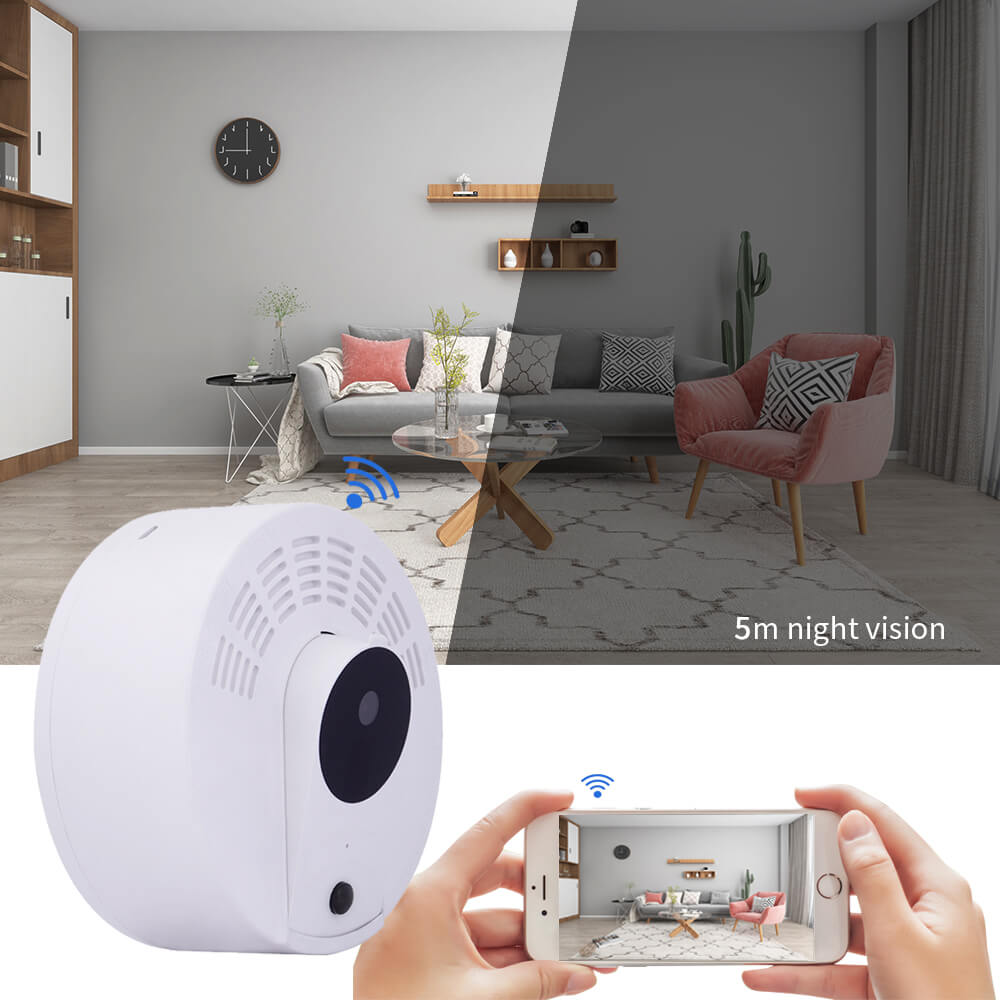
Hidden cameras, often referred to as "nanny cams" or "spy cams," are cameras cleverly concealed within everyday objects—like alarm clocks, picture frames, or air purifiers. These devices are capable of capturing video (and sometimes audio) without the awareness of the people being recorded.
How They Work
Modern hidden cameras are highly sophisticated, boasting features such as:
High-Resolution Video: Many devices offer HD video quality, ensuring that captured footage is clear and discernible.
Motion Detection: Some cameras start recording only when they detect motion, conserving battery life and storage space.
Remote Viewing: Advanced models may allow for real-time streaming via smartphones, offering immediate insight into ongoing activities.
Legal Aspects of Using Hidden Cameras for Elder Surveillance
Consent and Legality
The use of hidden cameras in the context of elder care raises inevitable questions about legality and consent. Laws surrounding this can vary from state to state, but general guidelines often involve:
Two-Party Consent: In some jurisdictions, recording someone without their explicit consent is illegal.
Public vs. Private Spaces: The legality of recording may also hinge on where the camera is placed.
How to Navigate Legal Barriers
Consult Legal Advice: If you're contemplating installing a hidden camera, it's advisable to consult with legal experts familiar with local and state laws regarding surveillance.
Obtain Consent Where Possible: While the objective is covert surveillance, getting consent from the elder, if possible, can circumvent legal complications.
Ethical Considerations
Privacy vs. Safety
While the intention behind using a hidden camera for elder care is noble, it poses ethical dilemmas—most notably, the issue of privacy. How do you balance the need for surveillance with respecting an individual’s personal space?
Transparency with Caregivers
Informing caregivers about the presence of a hidden camera could serve two purposes:
Deterrence: Simply knowing a camera is present can discourage abuse.
Accountability: It holds everyone involved in the elder's care accountable for their actions.
Implementing Hidden Cameras
Camera Placement
Choosing the right location for the camera is crucial. It should be positioned to capture the area where the elder spends most of their time but should be discreet enough to go unnoticed.
Technical Setup
Setting up modern hidden cameras has generally become quite user-friendly. Most involve:
Power Source: Deciding between battery-powered or plug-in models.
Connectivity: Some require Wi-Fi connectivity for advanced features like remote viewing.
Storage: Options often include cloud storage or an SD card.
Alternative Solutions and Additional Measures
Open Communication
While technology offers a layer of protection, open communication between family members, caregivers, and the elderly individual is of utmost importance.
Professional Oversight
Sometimes, hiring a care manager to regularly check in can also act as a deterrent against abuse.
Conclusion: The Silent Guardianship of Hidden Cameras
Utilizing hidden cameras in the fight against elder abuse is a complex issue, fraught with legal and ethical considerations. However, when executed responsibly and in compliance with laws, they can serve as invaluable eyes and ears, safeguarding our vulnerable elderly population against abuse. The key is to balance vigilance with respect, ensuring that safety never comes at the cost of personal dignity.
Hidden Cameras to Stop Workplace Sexual Harassment: A Detailed Guide to a Sensitive Topic
Audio Surveillance: The Sound of Modern Security