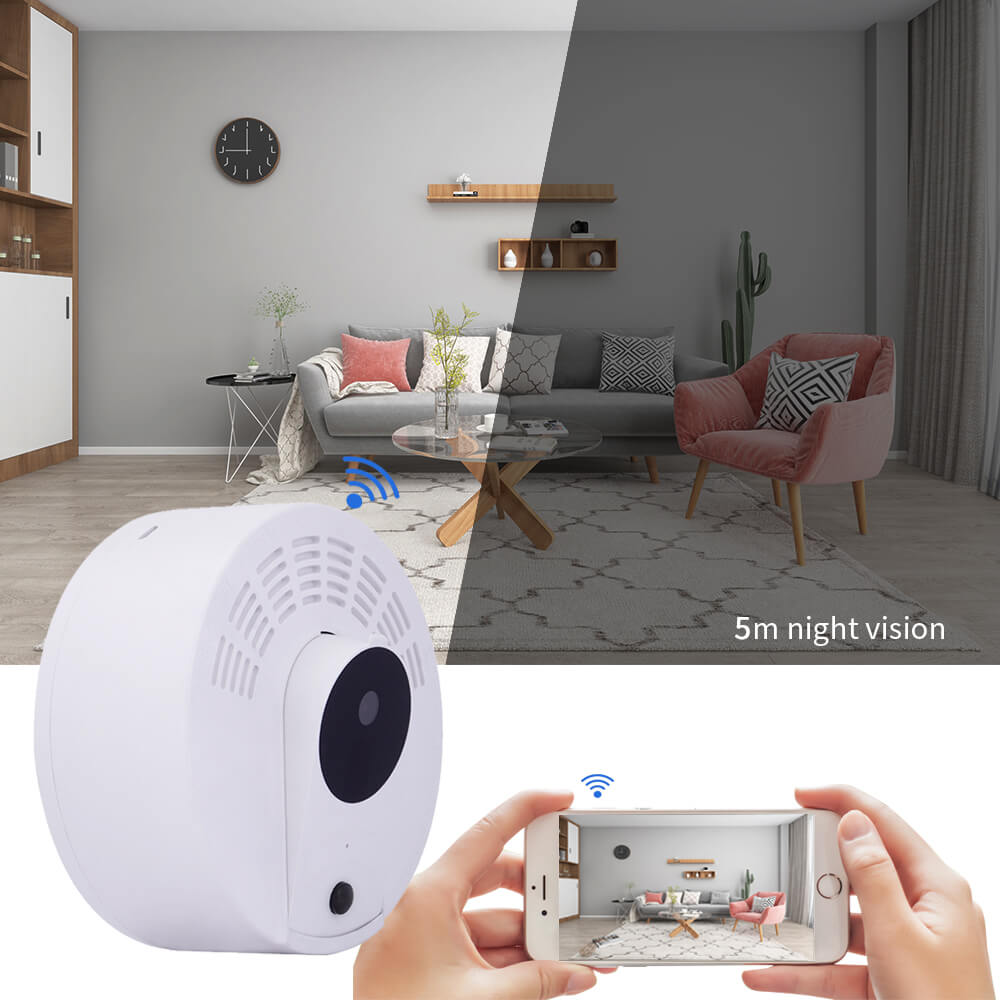
Audio Surveillance: The Sound of Modern Security
Audio Surveillance: The Sound of Modern Security
In an increasingly connected world, the need for security and surveillance has never been more paramount. While visual surveillance, like CCTV, often comes to mind when we think about monitoring, there's a critical counterpart that's sometimes overlooked: audio surveillance. This article will shed light on audio surveillance, from its applications to its legal and ethical considerations.
Understanding Audio Surveillance
What Is Audio Surveillance?
At its most basic, audio surveillance refers to the monitoring and recording of sound. This is typically achieved through the use of electronic listening devices, microphones, and recorders. It's a method that has been used for decades, from wiretaps in espionage tales to modern smart home systems.
The Evolution of Audio Surveillance Tools
Early tools for audio surveillance were rudimentary, often requiring physical connections, like the infamous phone wiretaps. Today, devices have evolved to become:
Miniaturized: Modern listening devices can be as tiny as a pinhead, easily concealed and hard to detect.
Wireless: Devices can transmit audio data without direct connections, making them more versatile.
Smart and Selective: Advanced devices can filter ambient noise, focus on specific sound sources, or even be voice-activated.
Practical Applications of Audio Surveillance
Law Enforcement and Security
One of the most obvious applications for audio surveillance is in the realm of law enforcement. Police and other agencies use audio tools to gather evidence, monitor suspects, or even prevent potential crimes.
Business and Corporate Settings
In the business world, audio surveillance can be employed for various reasons:
Security: Monitoring premises after hours to detect break-ins.
Intellectual Property Protection: Ensuring no confidential discussions are leaked.
Quality Assurance: In customer service industries, calls might be recorded for training and quality control.
Home Safety
With the rise of smart homes, audio surveillance isn't just limited to specialized fields. Common tools like voice-activated assistants, such as Amazon's Alexa or Google Home, have inherent audio monitoring capabilities. While they offer convenience, they also raise privacy concerns, which we'll delve into later.
Legal Considerations Surrounding Audio Surveillance
Consent Laws
Legally, one of the most contentious issues surrounding audio surveillance revolves around consent. Different jurisdictions have various regulations:
One-party consent: Only one participant in a conversation needs to be aware of the recording.
Two-party (or all-party) consent: All participants must be aware and give consent for the recording to be legal.
It's crucial to research and adhere to local laws when considering audio surveillance.
Places of Reasonable Expectation of Privacy
Even with consent laws, there are often places where audio surveillance is universally frowned upon or illegal, due to an expected right to privacy. Bathrooms, changing rooms, and personal living spaces typically fall into this category.
Ethical Concerns in Audio Surveillance
Privacy in the Digital Age
With the proliferation of audio-enabled devices in homes, offices, and public spaces, the line between convenience and privacy invasion becomes blurred. Ethical concerns arise:
Data Handling: How is the recorded data stored, processed, and shared? Who has access to it?
Unintended Surveillance: Devices might inadvertently pick up private conversations, even if they aren't the primary target.
Informed Consent vs. Covert Surveillance
The ethicality of surveillance often hinges on whether the subjects are aware they're being recorded. Covert surveillance, where subjects are unaware, can be deemed unethical, especially if it infringes on personal freedoms and privacy.
Navigating the World of Audio Surveillance
Best Practices
For those considering implementing audio surveillance, adhering to best practices can mitigate legal and ethical risks:
Stay informed: Regularly update yourself on local laws and industry standards.
Be transparent: If you're recording, let people know, especially if it's in a public or semi-public space.
Prioritize security: Ensure that recordings are stored securely, with limited access, to prevent misuse.
Conclusion: Listening Responsibly
Audio surveillance is a powerful tool, with the potential to offer increased security, gather evidence, and provide valuable insights. However, like all tools, it needs to be used responsibly. By considering the legal and ethical implications and adhering to best practices, we can harness the power of audio surveillance without compromising the rights and privacy of individuals.
Hidden Camera to Stop Elder Abuse: A Comprehensive Guide to Silent Vigilance
Glasses Hidden Camera: The Future of Covert Surveillance